
ENVIVEST: Decommissioned Wind Blades Converted into Building Panels
Wind Blade Recycling | Retired wind blades converted into E0-grade panels for walls, floors, and medical spaces
A different end for retired blades
Decommissioned wind turbine blades are usually treated as waste to be disposed of. ENVIVEST (实维斯特) takes a different route: recycling and conversion into products that re-enter use.
ENVIVEST is a Suzhou-based environmental technology company focused on composite recycling in the new energy sector. Its business covers wind blade resource recovery, recycled new-material equipment R&D, and green building materials industrialization. It addresses the sector's core problem — retired blades are difficult to recover, hard to utilize, and hard to scale.
ENVIVEST's business spans equipment R&D, process technology transfer, recycled material production, project investment and operation, and technology import/export. The company's stated model is a full-chain closed loop: equipment R&D — process output — recycled material production.
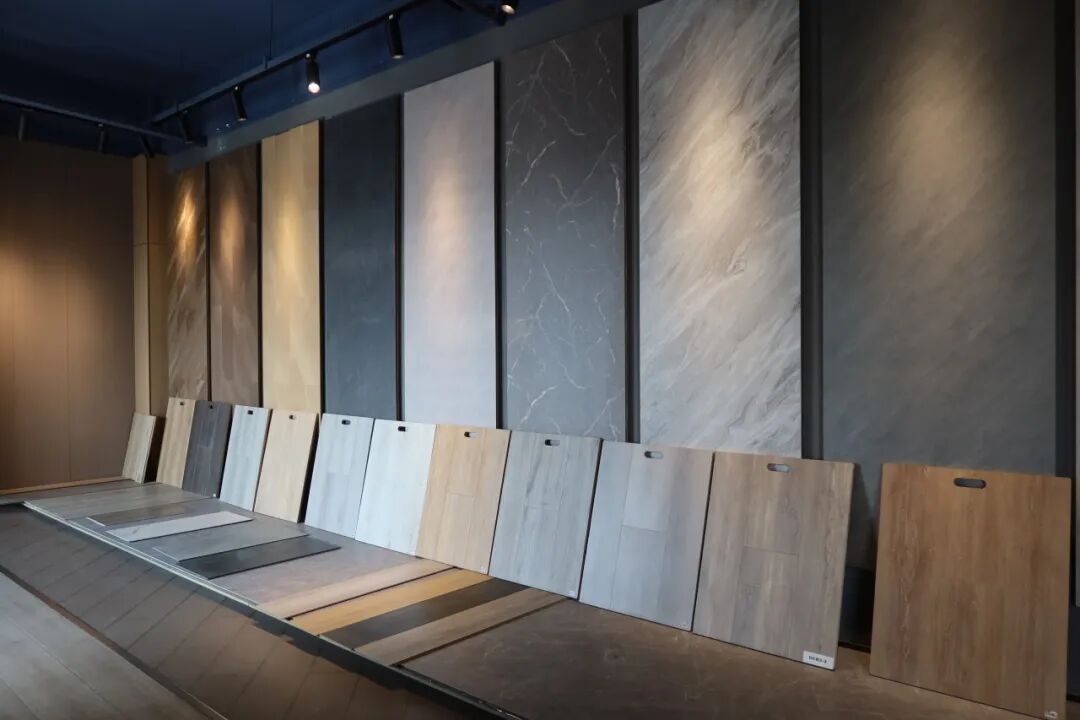
Two steps in blade processing
- Robotic blade cutting: ENVIVEST developed a dedicated robot for hydraulic cutting of wind turbine blades, improving processing efficiency and reducing dust compared with conventional cutting.
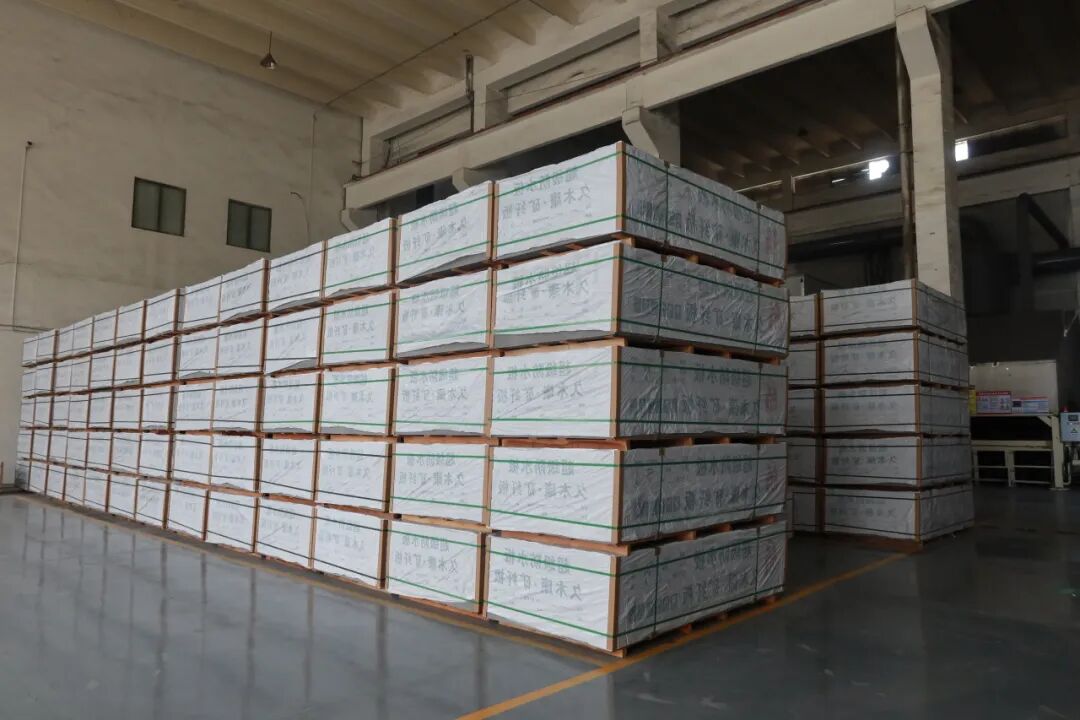
- Panel products from crushed blade material. The company produces composite panels with strong water resistance. Formaldehyde emissions meet China's E0 standard, compliant with building material regulations. Current annual capacity is 30,000 tons, with plans to raise it to 100,000 tons.
Application cases
- Seoul residential bathroom wall panels: ENVIVEST's mineral-fiber composite wall panels were used in bathrooms and washrooms in Seoul residential projects. Bathroom spaces face long-term high humidity; conventional tiles can seep water and grow mold, and PVC panels age and resist acid-base poorly. Overseas home improvement also requires formaldehyde-free, low-VOC, anti-mold, and fast installation. The panels were installed in two days, with no mold, seepage, or bulging over long-term humidity, and acid-base spills wiped clean.
- Shangqiu Institute of Technology dormitory renovation (Henan): Fullroom flooring, interior wall panels, corridors, and storage cabinet backing. Dormitories face heavy foot traffic, dragging, and impact; humid conditions and limited ventilation cause moisture and mold in conventional materials; the project required fast installation and low maintenance. Renovation time was cut in half compared with conventional methods. Panels showed no visible scratches or damage under daily high-frequency use, and cleaning and maintenance pressure decreased.
- Wenzhou Medical University Affiliated Hospital antimicrobial wall panels: Outpatient, nurse station, ward, and consultation room walls. Medical-grade antimicrobial mineral fiber panels. Hospitals require antimicrobial properties, resistance to disinfectant corrosion, waterproofing, anti-mold, fire resistance, and environmental performance well above ordinary settings, with minimal disruption to ongoing care. Walls showed no discoloration, peeling, or delamination after long-term high-frequency disinfection.
About the exhibitor
ENVIVEST operates a Suzhou headquarters R&D center, a Beijing company, and a 70%-owned Inner Mongolia new materials company, forming a dual platform: East China R&D and manufacturing center + northern large-scale recycled materials production base. The company serves wind power enterprises, composite material factories, and new energy parks with full-process resource recovery technology and equipment.
ENVIVEST (Inner Mongolia) New Materials is participating in drafting the national standard "General Technical Specifications for Green Dismantling of Wind Turbine Generator Systems."
Booth: E01
At-a-glance
ENVIVEST | Wind Blade Recycling | Retired wind blades converted into E0-grade panels for walls, floors, and medical spaces