
COMY: Chemical Recycling Returns Waste Plastic to Petrochemical Feedstock
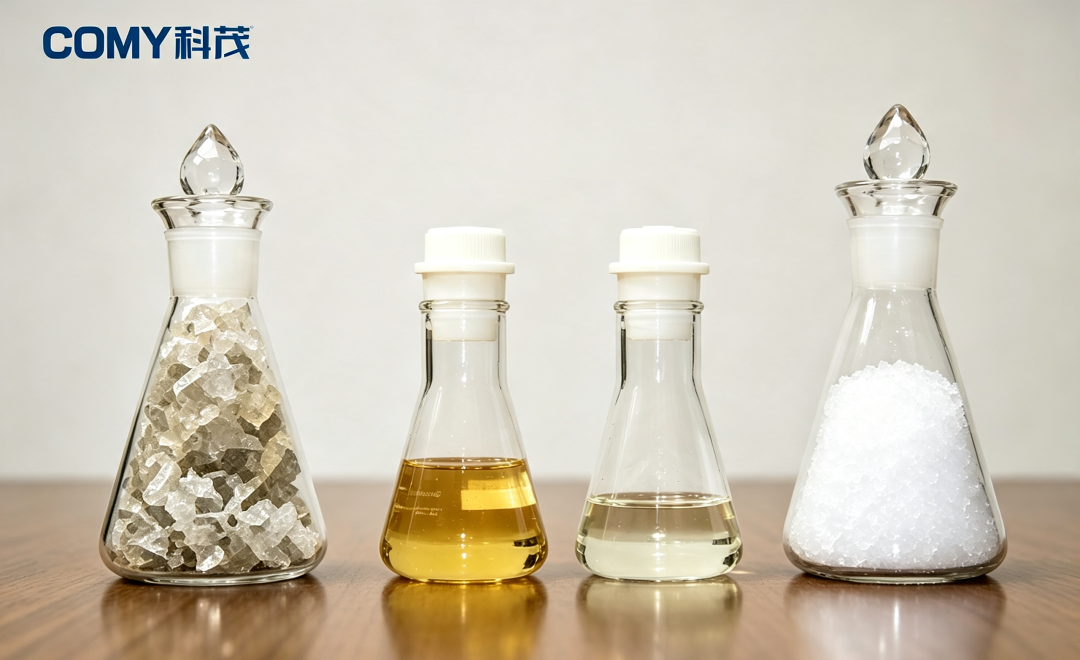
Chemical Recycling | Pyrolysis oil from mixed waste plastic, suitable as naphtha substitute
The limit of mechanical recycling
Mechanical recycling works well for clean, sorted plastic. It struggles with mixed, low-value, contaminated streams. The question the industry faces: can these materials be converted back into high-value chemical feedstock and re-enter the plastics production chain?
COMY (科茂环境) has focused on this since 2009. Its technology converts waste plastics into pyrolysis oil and other base chemicals. The company has developed three technical routes rather than one, aiming to handle a broader range of low-value waste plastics.
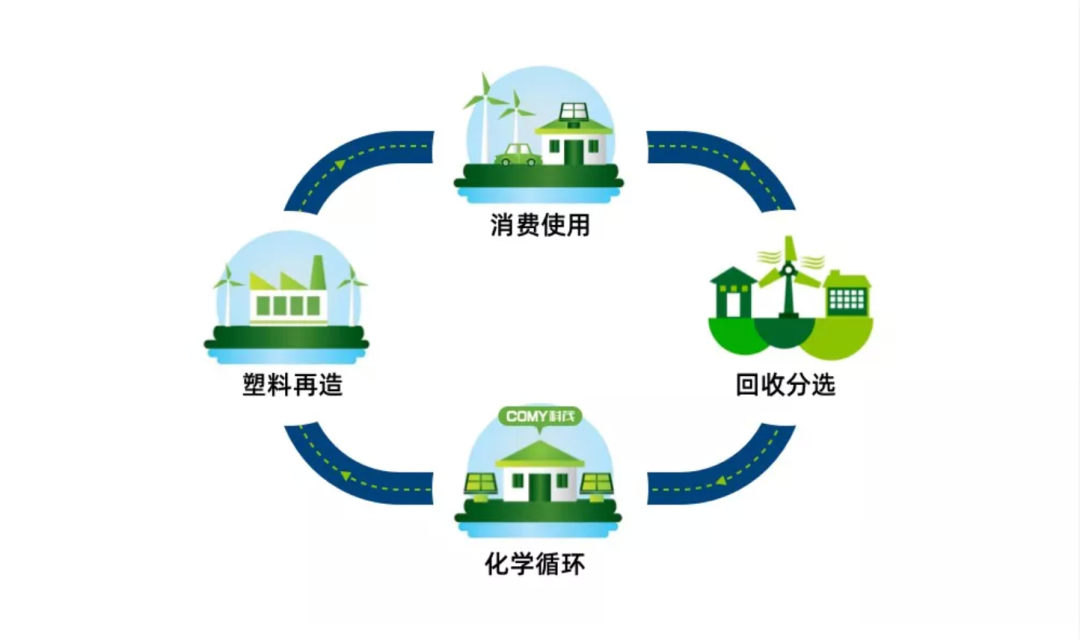
The chemical recycling pathway
COMY's core technology converts waste plastics into pyrolysis oil through chemical recycling. The pyrolysis oil is a high-quality hydrocarbon mixture covering C5–C22, with density around 0.75–0.85 g/cm³. After purification and contaminant removal, its properties approach naphtha. It can substitute for fossil feedstock in steam cracking to produce ethylene and propylene, which are then re-polymerized into new plastics.
The pathway: waste plastic → pyrolysis oil → ethylene/propylene → new plastic.
The company holds proprietary technologies including PTO (low-temperature low-pressure catalytic cracking synchronous recombination) and PTP (high-selectivity catalytic cracking olefin recombination), which recover waste plastics at the molecular level for food-grade new plastic production. The company states each ton of waste plastic processed reduces carbon emissions by about 2 tons.
From technology to plant construction
Once chemical recycling enters industrialization, the challenges extend beyond whether the pyrolysis reaction can occur. Feedstock handling, process design, catalyst matching, equipment integration, and whether the final product can stably enter downstream systems all affect project economics.
COMY has developed an integrated “process package + catalyst + integrated equipment” system with one-stop plant construction capability. In 2017, the company built China's first waste plastic chemical recycling plant and obtained China's first environmental impact assessment approval. Projects are now underway or planned in multiple Chinese cities.
Three customer types
- Sanitation and solid waste enterprises: Low-value waste plastic resource recovery, converting mixed plastic waste into high-value chemicals. The company states this raises waste reduction and resource recovery rates above 40% and reduces carbon emissions by over 50%.
- Petrochemical enterprises. High-quality pyrolysis oil and monomers for producing new plastics and other materials. Products carry low-carbon circular attributes, meeting the requirements of leading brands, packaging companies, and the EU.
- Brand packaging enterprises. Virgin-quality PCR resin for new plastic packaging and other materials, reducing carbon emissions by 50% compared with virgin material.
About the exhibitor
COMY is headquartered in Ningbo High-tech Zone. It is a member of the chemical recycling working group under the China Petroleum and Chemical Industry Federation (CPCIF). Its technology converts waste plastics into pyrolysis oil and other base chemicals.
COMY holds over 100 intellectual property rights, including international PCT patents in Germany, Saudi Arabia, and South Korea.
Booth: B1A39
At-a-glance
COMY | Chemical Recycling | Pyrolysis oil from mixed waste plastic, suitable as naphtha substitute