
JUSTRA: AI Sorting That Turns Mixed Waste into Consistent Revenue
Waste Sorting & Separation | AI-powered sorting for mixed and contaminated waste
The certainty problem
At recycling and municipal solid waste sites, incoming material is mixed, space is limited, labor is expensive, and sorting precision is hard to maintain. The industry needs consistent results from unpredictable feedstock.
Justra (九爪智能) focuses on AI and multimodal sensor fusion for intelligent sorting. Across installations, the company reports labor reduction up to 75%, waste sale price increases of 35%, municipal solid waste recovery rates above 40%, and small-to-medium site throughput improvements of 50%.
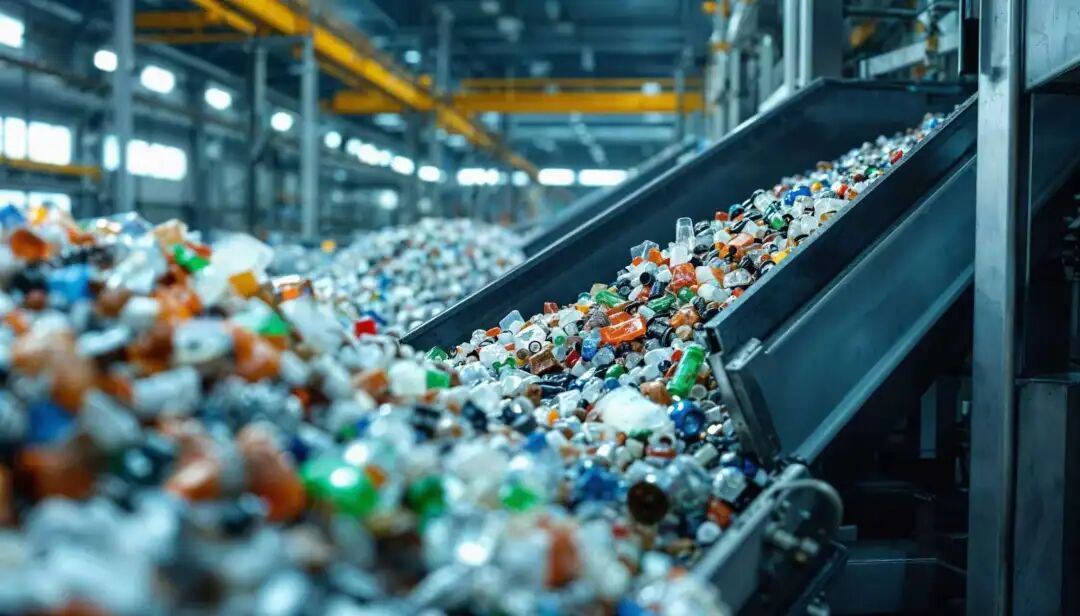
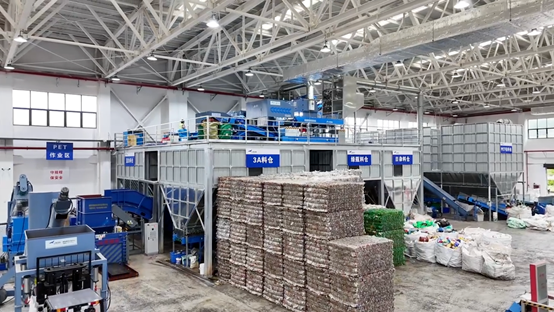
Case 1: 50 t/day mixed recyclables sorting line
A 5,000 m² sorting center in Hefei processes 50 t/day, producing three-color PET, white HDPE, small white material, mixed-colored HDPE, graded paper, glass, metal, and foam.
The challenge: PET round and flat bottles, mixed hard plastics, and miscellaneous items arrive mixed. Traditional equipment cannot handle them reliably, and the site needed to sort down to three-color PET and high-value grades like 3A and white HDPE. A conventional line would need over 20 workers.
Results: Sorting efficiency up 10x, product sale price up 35%, sorting labor down 75%, line energy consumption down 30%.
Case 2: 100 t/day mixed municipal solid waste
A 1,500 m² facility in Guangzhou processes 100 t/day, sorting PET, mixed plastics, disposable food containers, scrap metal, Tetra Pak, mixed paper, film, and RDF feedstock.
The problem: Incomplete upstream separation leaves recoverable material mixed into MSW. Manual sorting is costly and difficult. Transfer stations have limited space, so large conventional sorting lines cannot fit.
Results: Sorting line footprint of only 500 m², waste reduction and recovery rate above 40%, fully unmanned sorting, annual disposal cost savings of nearly RMB 2 million. The line separates film by material for downstream pelletizing or chemical conversion, raising film recovery value over previous RDF use.
Case 3: 30 t/day mixed plastics baling station
A 7,000 m² baling station in Guangzhou processes 30 t/day, producing PP and PE. Incoming material mixes household plastics, industrial scrap, and packaging waste. Manual sorting could not keep pace with incoming volume, and over 10 workers worked regular overtime to prevent overflow.
Results: Daily throughput up 50%, per-worker productivity up 200%, labor cost down 15%.
About the exhibitor
Justra focuses on AI and multimodal sensor fusion for intelligent sorting. Its core hardware and software are over 95% self-developed, and its systems can identify over 260 material types. The company reports hundreds of installations, over 100 patents and software copyrights, and more than 60 R&D staff.
Booth: B1C15
At-a-glance
Justra | Waste Sorting & Separation | AI-powered sorting for mixed and contaminated waste